

Introduction
Most people move to New Zealand (Aotearoa in te reo Māori) through a job: the Accredited Employer Work Visa needs an offer from an approved employer, and in-demand jobs on the Green List can lead to residence. There's no digital nomad visa, but since 2025 visitors are allowed to work remotely for employers or clients outside New Zealand.
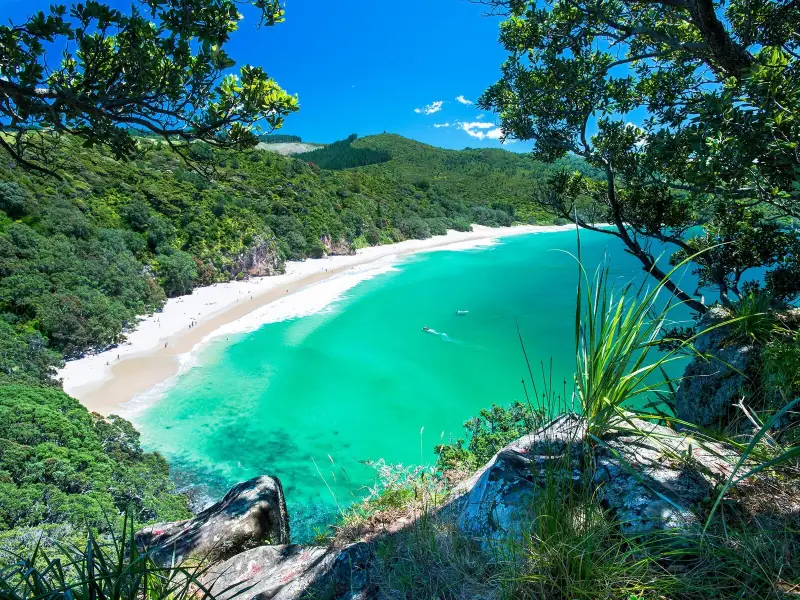
The country is small, about 5.3 million people, with mountains, glaciers, beaches and rainforest within a few hours' drive of each other, and an extensive network of public walking tracks and huts.
The main drawbacks are cost and distance. Rents in Auckland, Wellington and Queenstown are high relative to wages, groceries are expensive by international standards, and flights to almost anywhere are long. This guide covers the visas, costs, tax, jobs and culture, with links to Immigration New Zealand and Inland Revenue.

The hills around Queenstown
Visa Programs
Still weighing New Zealand against other destinations? Our visa comparison tool lines these options up side by side with what other countries offer.
New Zealand Work Visa Guide
Our 15-page printable guide to the Accredited Employer Work Visa, checked against Immigration New Zealand in October 2026:
- Checking the employer, job check and contract
- Evidence that counts: experience, English, police and health
- Visa conditions, Job Change and bringing your family
- Residence pathways, a stay planner and a progress tracker
Visa Game Plan: For most people who want to work here, it starts with a job offer. The main work visa, the Accredited Employer Work Visa (AEWV), only works with an employer that Immigration NZ has accredited and approved to hire for your role, and they send you the link to apply. If your job is on the Green List, you may be able to go straight to residence or get there faster.
Check an employer is on INZ's accredited employer list before you pay for police certificates or tests, and never pay anyone for a job offer: employers can't charge you recruitment costs, and INZ declines applications where money changed hands. Leave yourself plenty of time: certificates and qualification assessments take a while to arrive.
- Accredited Employer Work Visa (AEWV): The main work visa. Needs a job offer from an accredited employer; up to 5 years for most jobs, 3 for many lower-skilled ones. Application fee NZD 1,540.
- Skilled Migrant Category: Residence for skilled workers through one of three pathways. The points-based one needs 6 points (calculator below).
- Green List: In-demand jobs that lead to residence, straight away (Tier 1) or after New Zealand work experience (Tier 2).
- Working Holiday Visa: For young people from partner countries. Age limits and length of stay depend on your nationality.
- Student Visa: For international students enrolled in a New Zealand education provider.
- Partner of a New Zealander Work Visa: For partners of New Zealand citizens or residents.
- Business Investor Work Visa: Replaced the Entrepreneur Work Visa on 24 November 2025. You buy or invest in an established business: NZD 1 million leads to residence after three years, or NZD 2 million after 12 months.
- Post Study Work Visa: For recent graduates from New Zealand institutions to work after study.
Skilled Migrant Points Calculator
The Skilled Migrant Category's points-based pathway needs 6 points. You claim 3–6 from one skill (pay, qualification or New Zealand occupational registration) and can top up with up to 3 points for skilled work experience in New Zealand. Figures from Immigration New Zealand, October 2026.
*A simplified check. You also need to be 55 or younger and work for (or have an offer from) an accredited employer, and NZ work experience only counts if it meets INZ's pay and skill rules. Use the official SMC page and points calculator before you act.
Most Popular Nomad/Expat Cities
- Auckland: New Zealand's largest city, business hub, diverse communities, and great harbor.
- Wellington: The capital city known for its culture, food scene, and compact living.
- Queenstown: The adventure capital, with lakes, mountains and tourism opportunities.
- Christchurch: Rebuilding and innovative city with lower costs and great access to nature.
- Tauranga/Bay of Plenty: Coastal lifestyle, growing economy, and warmer climate.
Pro Tip: Climate varies dramatically across New Zealand's regions. The North Island (especially Auckland and Northland) has mild winters but high humidity, while South Island winters are colder but drier. Consider spending time in different regions before committing to a location. Many expats are drawn to Auckland initially but later move to smaller cities like Tauranga, Nelson, or Queenstown for better lifestyle balance and affordability once they've established themselves.
Cost of Living
| City | Monthly Cost (NZD) |
|---|---|
| Auckland | $2,900 - $3,800 |
| Wellington | $2,700 - $3,600 |
| Christchurch | $2,300 - $3,000 |
| Queenstown | $2,800 - $3,700 |
Rough monthly estimates for one person, for budgeting only, not official statistics. Rent drives most of the range, so check current listings on Trade Me for the area you want.
Pro Tip: Housing costs can be significantly reduced by looking in suburbs 20-30 minutes from city centers. Public transport in Auckland and Wellington is good enough that many people skip owning a car, which is a big saving. For groceries, PAK'nSAVE and local markets are usually cheaper than the premium supermarkets. Consider flatting (sharing a house), which cuts housing costs a lot and comes with a built-in social network.
Tax System

Inland Revenue (IRD) handles tax in New Zealand
Key Tax Information for Expats
- Tax Residency: You're a tax resident once you've been in NZ for more than 183 days in any 12-month period, or once you have a permanent place of abode here. If it's your first time (or you've been away 10 years), you may be a transitional resident: most foreign investment income is exempt for up to 48 months.
- Tax Rates (from 1 April 2025):
- Up to $15,600: 10.5%
- $15,601 - $53,500: 17.5%
- $53,501 - $78,100: 30%
- $78,101 - $180,000: 33%
- Over $180,000: 39%
- IRD Number: Required for employment and tax purposes.
- KiwiSaver: The retirement savings scheme, with a default contribution of 3.5% from you and 3.5% from your employer. It's only open to citizens and people entitled to live here indefinitely, so not while you're on a work visa.
- No Capital Gains Tax: NZ does not have a comprehensive capital gains tax (with some exceptions).
Pro Tip: New Zealand has no tax-free threshold: tax starts at 10.5% on your first dollar. Get an IRD number as soon as you start work so you're taxed at the right rate. If you arrive mid-tax year (which runs April 1 to March 31), request an income tax estimation from IRD to avoid overpaying. Many work-related expenses can be claimed as tax deductions for self-employed individuals. Keep detailed records of home office usage, vehicle expenses for work travel, and work-related equipment purchases to maximize your returns.
Job Market and Salaries
Pay varies a lot by city, industry and seniority, so check current listings for your role rather than relying on averages. If you're coming on an AEWV, your offer has to be at least the market rate for the job.
Job search sites: SEEK, TradeMe Jobs, LinkedIn New Zealand
Pro Tip: New Zealand's job market values local experience. When first arriving, consider taking contract or temporary positions to build local references quickly. For professional roles, working with a specialized recruitment agency can give you access to jobs not publicly advertised. LinkedIn is highly utilized in New Zealand's professional market - ensure your profile clearly states you're in New Zealand or relocating soon, as many employers filter out overseas applicants.
Culture and Lifestyle

Traditional Māori pōwhiri (welcome ceremony)
- Friendly, laid-back people with a "she'll be right" attitude
- Outdoor lifestyle with a focus on sports and nature
- Strong work-life balance
- Māori culture is integral to New Zealand's identity
- Casual social environments (BBQs, beach visits, hiking)
Pro Tip: Understanding Māori culture and protocols will enrich your New Zealand experience tremendously. Learn basic Māori greetings and concepts like "manaakitanga" (hospitality) and "kaitiakitanga" (guardianship of the environment). If invited to a marae (meeting grounds), research the protocols beforehand or ask your host about expectations. New Zealanders appreciate immigrants who make an effort to understand and respect the indigenous culture.
Entertainment and Activities

Low light pollution means skies like this, especially in the Aoraki Mackenzie Dark Sky Reserve
- Outdoor Adventures: Hiking, skiing, mountain biking, surfing, and adrenaline sports.
- Food and Wine: Some of the best wine regions in the world, farmers markets, and a growing foodie culture.
- Arts and Culture: Film festivals, museums, galleries, and Māori cultural experiences.
- Camping and Roadtrips: Explore national parks, beaches, and scenic drives.
- Sports: Rugby is almost a religion, but also cricket, sailing, and more.

The Hobbiton Movie Set near Matamata Photo: Joe Ross from Lansing, Michigan, CC BY-SA 2.0, via Wikimedia Commons
- Hobbiton Movie Set Tour: Step into the magical world of The Lord of the Rings and The Hobbit with a guided tour of the real movie set in Matamata. Enjoy themed events, banquets, and beautiful scenery. Book a tour
- Adventure Sports in Queenstown: Queenstown is the adventure capital of New Zealand. Try bungee jumping, skydiving, jet boating, or scenic hikes. See adventure activities
- Mini Golf & Karaoke: Have fun with friends at Holey Moley, a quirky mini-golf and karaoke bar with locations in Auckland, Wellington, and Christchurch. Find a location
- Wine Tasting on Waiheke Island: Take a ferry from Auckland to Waiheke Island for vineyards, wine tours and beaches. Explore wine tours
- Rhythm and Vines Festival: Celebrate New Year at New Zealand's most famous music festival in Gisborne, featuring top local and international acts. Rhythm and Vines festival site
Tramping and huts: if you plan to do a lot of tramping (hiking), the Department of Conservation's Backcountry Hut Pass covers most of its standard huts and usually pays for itself after a few trips. Great Walks huts are booked separately.
Local tramping clubs run group trips and are a good way to learn the tracks safely. For activities, BookMe.co.nz sells discounted last-minute deals, and some tourism operators offer residents' rates, especially in the winter off-season, so it's worth asking.
Tips for New Expats
- Housing: Rental market can be competitive. Start your search early and be prepared with references.
- Transport: Consider buying a car for flexibility, especially outside major cities.
- Weather: Don't underestimate the sun (high UV), and be prepared for four seasons in one day.
- Kiwi Slang: Learn some local phrases to help you integrate.
- Networking: Join community groups, sports clubs, or expat meetups to build connections.
The Bottom Line
New Zealand is easiest to move to with a job offer from an accredited employer, ideally in a Green List occupation. Expect high rents and grocery prices; in return you get a strong outdoor culture, solid employment protections and clear paths from work visa to residence.
If you're deciding, check whether your occupation is on the Green List, run your points with the calculator above, and budget for at least a few weeks of temporary accommodation while you look for a flat.
*Note: All prices and information are approximate and subject to change. Always verify current information from official sources.*